 WhatsApp: +86 16626708626
 Email:
  Phone: +86 16626708626
Description
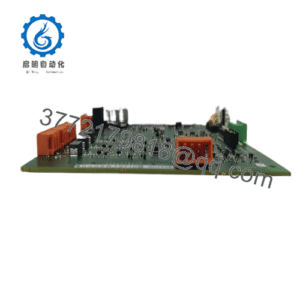
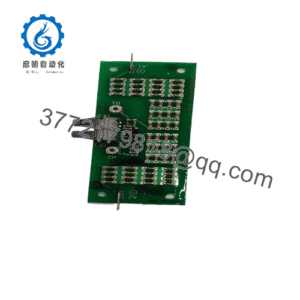
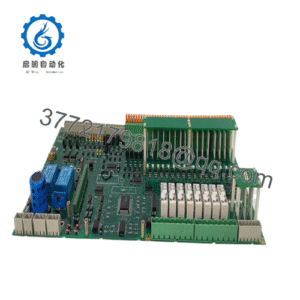
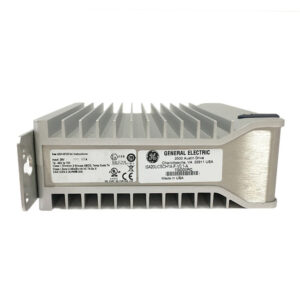
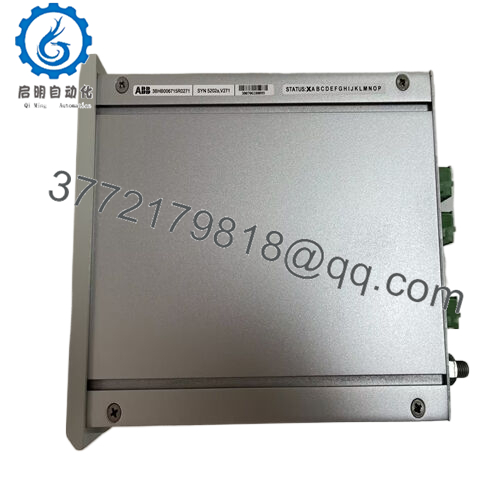
Product Model: SYN5202-0271
Product Brand: ABB
Product Series: SYNCHROTACT 5 Synchronising Equipment
Product Features:
- Dual-channel synchronisation device (two independent hardware/software channels in one unit) for high safety applications.
- Designed for automatic synchronization of generators with power lines or paralleling of synchronous lines in industrial utility & power generation settings.
- Supports multiple nominal frequencies (50 Hz, 60 Hz, 16⅔ Hz) and multiple parameter sets for different paralleling points.
- Compatible with remote configuration via PC tool (SynView) and supports digital I/O and communication interfaces.
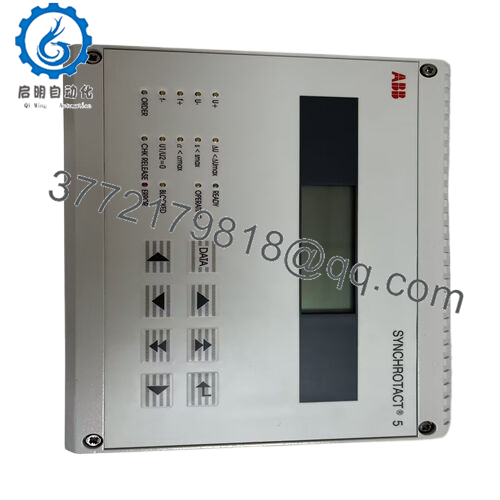
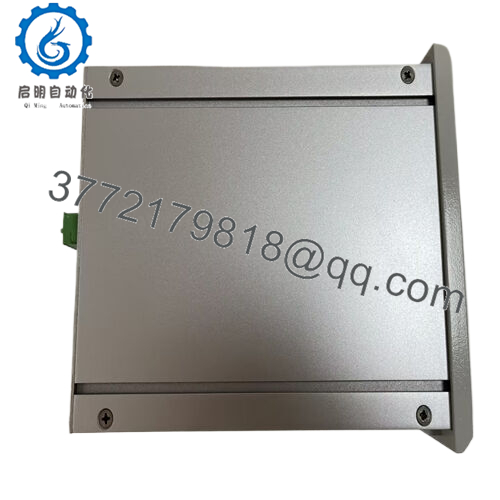
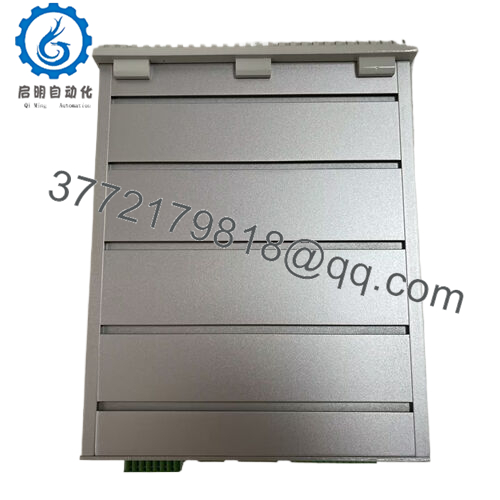
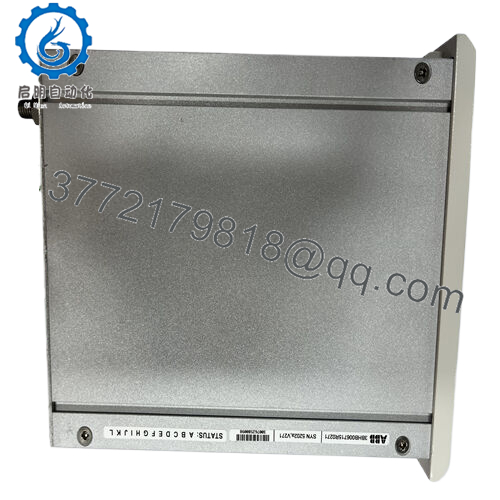
- SYN5202-0271
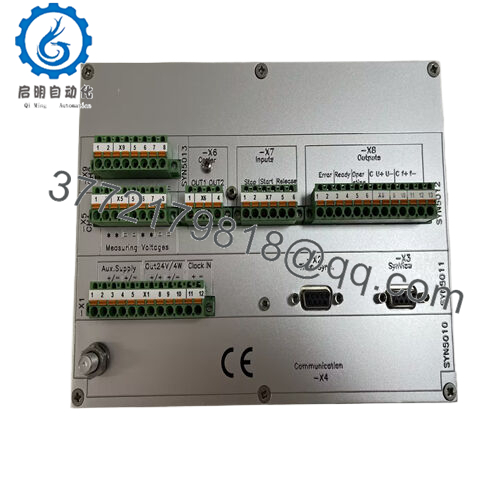
- SYN5202-0271
Applications & Industry Context
In power generation, utility sub-stations, combined-cycle plants and pumped-storage installations, synchronising a generator to the grid or tying two synchronous lines is a mission-critical operation. When a synchronous generator is brought online, the phase angle, voltage magnitude, and frequency of the generator must align with the grid before the circuit breaker closes; if not, severe mechanical stress, large torque transients or even trips can occur. The ABB SYN5202-0271 is engineered precisely for these high-stakes operations.
Consider a hydro-electric plant adding a new turbine generator onto the bus: the synchroniser must monitor the generator’s voltage, frequency and phase angle relative to the grid, ensure alignment, then command the breaker at the correct moment. In such an environment, the dual-channel architecture of the SYN5202-0271 serves as both the synchroniser and the independent verification channel (synchrocheck) to boost safety.
In fossil fuel or combined cycle plants, rapid synchronisation may be required during load-following operations or standby generator use. The SYN5202-0271 supports multiple parameter sets so that different paralleling points (e.g., main bus, auxiliary bus, black start) can be managed within one device.
In utility substations where redundancy and availability are non-negotiable, a dual-channel synchronising device like SYN5202-0271 becomes a preferred choice. It mitigates risk: since both channels have independent hardware & software, the likelihood of a common-mode failure is significantly reduced.
For system integrators, having a proven, field-tested synchronisation unit that supports remote configuration, multiple I/O and wide auxiliary supply ranges simplifies engineering. The ABB SYN5202-0271 means less custom design work and faster commissioning.
Product Role & System Fit
The ABB SYN5202-0271 belongs to the SYNCHROTACT 5 family of synchronising devices. These units serve as the interface between the control system and the power system when synchronising a generator or tying lines. As a dual-channel synchroniser, it embeds two independent channels in one housing: one channel manages the synchronising function, the other serves as an independent synchrocheck (monitor) to verify safe conditions before command issuance.
Mechanically and electrically, the SYN5202-0271 is mounted in control cubicles associated with generator controls or tie-breaker control panels. It receives inputs such as generator voltage, grid voltage, phase angle, frequency, and may provide outputs to circuit breaker tripping or closing circuits. In many installations, the synchronising device is interfaced with SCADA, PLCs or generator control units and can communicate via protocols such as Modbus, Profibus or even Ethernet depending on options.
When specifying the module, you must ensure that the auxiliary supply range is compatible with your control panel (for example 100-240 V AC/50-60 Hz) and that the device is set up with the correct parameter sets for paralleling point(s). Also, braking or switching logic, I/O configuration (digital/analogue) and bus integration must be planned. The SYN5202-0271 is designed to fit into such infrastructure without major redesign.
Because synchronous generator fault or mis-synchronisation can lead to catastrophic results, the role of this device is not just operational: it is protective and preventive. It stops a breaker from closing unless phase/frequency/voltage conditions are met, thereby protecting the generator, transformer and bus from undue stress.
Technical Features & Benefits
The ABB SYN5202-0271 offers several notable features, each translating into concrete benefits in the field:
- Dual‐Channel Safety Architecture: The device contains two differently‐structured channels (both hardware and software) in one unit, offering a built-in independent check on the first channel’s output. This significantly improves safety and reduces the risk of asynchronous closing or mis-paralleling.
Benefit: Higher functional safety, suitable for SIL-level requirements and critical generator/gird applications. - Multiple Parameter Sets (up to 7): The unit can store several sets of parameters, enabling different synchronising points (e.g., main bus, offshore generator, diesel backup) to be configured and selected via digital inputs.
Benefit: Flexibility – fewer devices required, simpler inventory, faster configuration changes. - Wide Aux Supply & Multi-Frequency Support: The SYNCHROTACT 5 devices are rated for 50 Hz, 60 Hz and 16⅔ Hz systems and support auxiliary supply ranges suitable for industrial use.
Benefit: Global applicability across utilities, power plants and multiple frequency zones. One spare module can serve multiple frequency systems. - Communication Interface & PC-based Configuration: The unit supports configuration via ABB’s SynView software, enabling parameter download/upload, monitoring, trends, and diagnostics. Some models offer fieldbus/communication options (Modbus, Profibus, etc.).
Benefit: Faster commissioning, easier diagnostics, remote monitoring capabilities reduce onsite service time. - Compact & Retrofit Ready: Despite its advanced features, the SYN5202-0271 is designed for ease of retrofitting into existing control cubicles with minimal wiring changes. Field serviceers highlight this as a key advantage when replacing older synchronisers.
Benefit: Reduced downtime during replacements, lower engineering cost, compatibility with legacy systems.
From practical field observations: When a synchroniser begins to show drift, false alarms, or mis‐match indications, operators often replace the unit with the SYN5202-0271 and restore stable synchronising within hours rather than days. The built‐in diagnostics and configurable parameter sets mean less tuning is needed in commissioning.
Technical Specifications Table
| Specification | Detail / Value |
|---|---|
| Model Designation | SYN5202-0271 |
| Brand | ABB |
| Series | SYNCHROTACT 5 Dual-Channel Synchroniser |
| Device Type | Automatic synchronising/Paralleling Equipment |
| Monitoring Channels | Two independent channels (dual) |
| Parameter Sets | Up to 7 parameter sets configurable |
| Supported Nominal Frequencies | 50 Hz / 60 Hz / 16⅔ Hz |
| Application | Synchronising generators to grid or paralleling synchronous lines |
| Auxiliary Supply | Typical industrial range (e.g., ~100-240 V AC) |
| Communication Interfaces | PC configuration (SynView), optional fieldbus (Modbus/Profibus) |
| Operating Temperature Range | Typically 0-55 °C (field listings) |
| Functional Safety | Dual independent channels reduce common-mode failure risk |
| Mounting / Housing | Panel/cubicle mount for power generation or utility control panels |
Related Models
Here are some other units in the SYNCHROTACT family or related synchronization devices:
- SYN5200-0271 – Synchrocheck device (single channel) in the same family.
- SYN5201-0287 – Automatic single-channel synchronising device (SYNCHROTACT 5) for 16⅔ Hz or special applications.
- SYN5302-0277 – Redundant automatic dual-channel synchronising system (higher level redundancy).
- SYNCHROTACT 6 Series – Next generation devices designed for new installations, with updated communications (IEC 61850) and same housing footprint.
- SYN5202-2277 – Variant of the SYN5202 with extended communication options.
Installation & Maintenance Insights
From practical experience and industry best-practices, here are installation and maintenance tips for the SYN5202-0271:
- Ensure the control cabinet’s auxiliary supply is stable and within the device’s rated range. Poor supply can lead to false faults or drift.
- Before installation check that the device’s firmware/parameter set matches your paralleling scheme (generator bus tie, dead bus, collector system, etc.). Configuring a wrong parameter set may prevent closing or cause tripping.
- When wiring the device, ensure proper measurement of voltage, frequency and phase inputs from both the generator side and grid side. Phase shift measurement is critical for sync-closing logic.
- During commissioning, use the SynView software to load parameter sets, review event recorder, verify correct digital I/O assignment and ensure the test mode is used to verify breaker closing logic.
- Keep a log of installation date, software version and parameter set(s). Because the SYN5202-0271 employs independent dual-channel architecture, periodic self-diagnostics should be reviewed for channel-fault indications.
- In maintenance windows, review event/oscillograph logs inside the device to spot any abnormal synchronising events (e.g., slow phase matching, repeated retries, unusual breaker closing delays). These may hint at upstream generator or bus problems rather than the synchroniser itself.
- Replace the unit if event logs show repeated faults or if the watchdog/firmware errors occur. Given the safety-critical role, it’s better to replace proactively rather than wait for a failure during a synchronising operation.
- For spare planning, keep a fully configured SYN5202-0271 (with correct parameter sets loaded) in storage, so a hot-swap can be done quickly.