 WhatsApp: +86 16626708626
 Email:
  Phone: +86 16626708626
Description
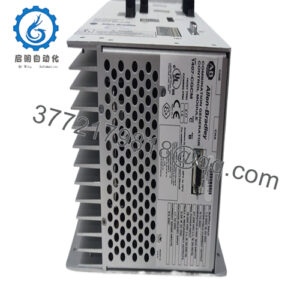
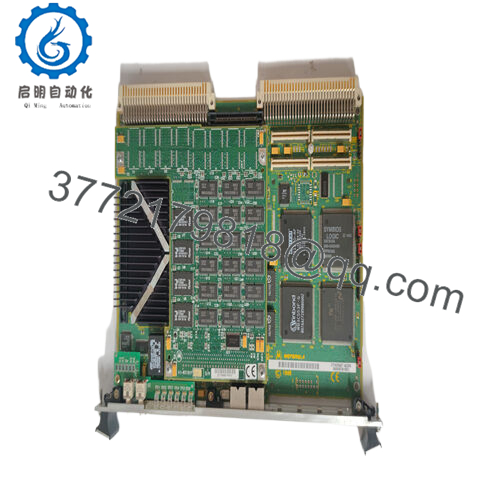
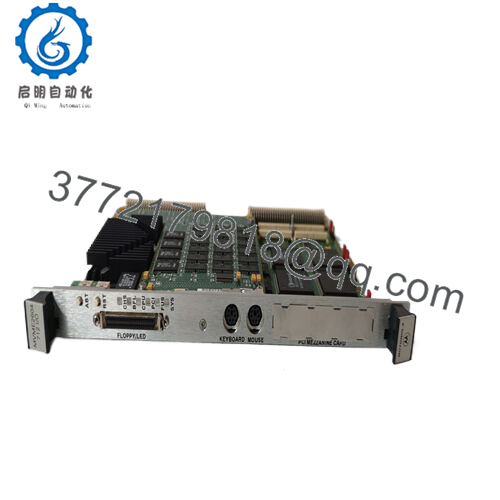
In industrial automation and embedded systems, where VMEbus ecosystems demand a high-performance core to handle intensive networking, real-time data fusion, and interrupt-driven tasks without buckling under the strain of dense I/O or environmental hazards like EMI and thermal flux, engineers frequently encounter SBCs that bottleneck on throughput or necessitate cumbersome mezzanine overhauls for connectivity upgrades. The Motorola MVME2604-712IO rises to this as a PowerPC-based VME single-board computer from the MVME2600 series, equipped with dual Gigabit Ethernet ports and PMC expansion for robust, scalable control in networked process environments. Envision a telecommunications hub routing encrypted traffic across redundant links or a manufacturing SCADA node aggregating PLC feedback amid variable loads—here, inadequate packet handling or bus latency can fragment data streams, delay anomaly detection, or expose chains to downtime from transient spikes. This module is indispensable in such high-reliability arenas, where its Tsi148 VME interface and onboard PMC site safeguard I/O signal integrity against noise, ensuring system stability across multi-slot chassis even as bandwidth demands surge without compromising deterministic cycles.
The Motorola MVME2604-712IO is especially vital for evolving legacy VME deployments, where its PMC slot accommodates custom I/O like fiber optics or serial arrays, enabling phased enhancements without rack-wide disruptions that extend outages. Its MPC7450 processor at 1 GHz with AltiVec extensions counters the processing lags that encumber 68040-era boards in vibration-exposed or dust-choked industrial automation setups, while integrated 2eSST VME transfers hit 320 MB/s peaks for swift DMA. At its essence, it fuels users’ ambitions for RTOS multitasking under VxWorks or LynxOS, compressing validation timelines in integration proofs. For embedded architects or upgrade stewards pursuing longevity in fortified cabinets, the Motorola MVME2604-712IO delivers a high-reliability pivot that reconfigures connectivity chokepoints into versatile velocity, where every Ethernet frame propels the cadence of unyielding process control.

- MVME2604 712IO
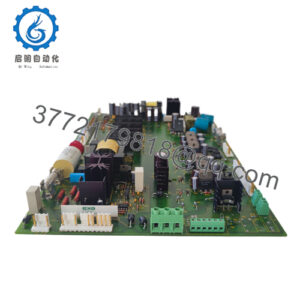
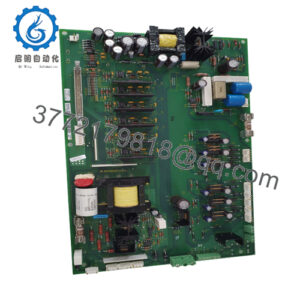
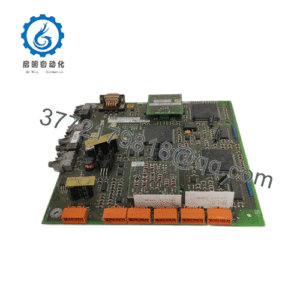
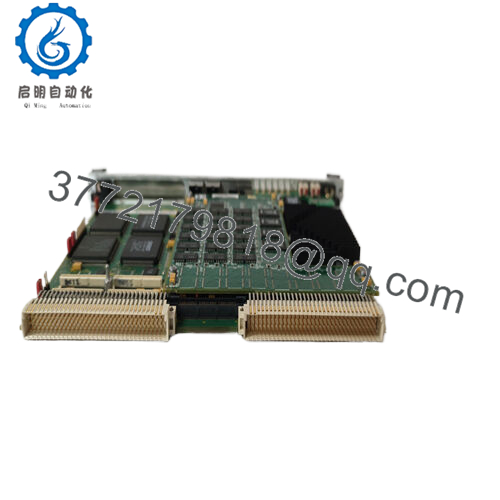
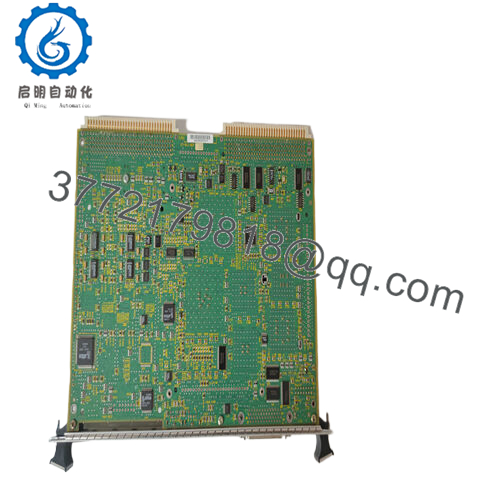
The Motorola MVME2604-712IO claims the master slot in VMEbus constellations, unleashing the MPC7450’s 32/64-bit PowerPC pipeline to govern A32/D64 cycles over the P1/P2 backplane, with the Tsi148 bridge arbitrating up to 2eSST bursts and 7 interrupt vectors for precedence queuing. It fuses 512 MB DDR SDRAM with 32 MB Flash and 1 MB L2 cache for seamless context switches, drawing inputs from dual 10/100/1000Base-T ports, two RS-232/422 serials, and a PMC site (PCI 33/66 MHz) before funneling via DMA to peripherals like FPGAs or A/D banks. In a typical 6U VME crate, it sips +5 V/+3.3 V from the bus, enforcing hot-swap via IPMI monitoring while deploying MPIC timers for abort generation to forestall lockups in safety loops. This plants it strategically in the stack—above PMC-derived field interfaces but below kernel orchestrators—with JTAG debug for console diagnostics.
Engineers cherish its linkage prowess; boot vectors toggle for network PXE or local ROM loads, and Gigabit Ethernet with IEEE 1588 timestamps enables PTP syncing for SCADA uplinks or PMC-hosted RAID via SCSI. Diagnostics bloom via LEDs for link status or ECC traps, relayable over telnet for off-rack analysis, while redundancy via duplex slots in resilient chassis conceals failures in vital meshes. For VME devotees, the Motorola MVME2604-712IO‘s efficient 25 W profile shuns auxiliary fans, permitting fine-tuned loops in process control realms from protocol bridging to motion profiling, where it synchronizes legacy buses with PMC modularity absent latency surcharges.
| Specification | Details |
|---|---|
| Model Number | MVME2604-712IO |
| Brand | Motorola |
| Type | VMEbus SBC with PMC Slot |
| Input Voltage | +3.3 V / +5 Vdc (bus) |
| Operating Temp Range | 0°C to +55°C |
| Mounting Style | VME 6U Eurocard |
| Dimensions | 233 x 160 mm |
| Weight | 0.5 kg |
| Interface/Bus | VME64x (2eSST), 1x PMC |
| Compliance | IEEE 1014, PICMG, CE |
| Supported Protocols | Gigabit Ethernet, RS-232/422, IPMI |
| Typical Power Draw | 25 W |
Embracing the Motorola MVME2604-712IO erects a reliability bastion that braves chassis caprices, its conformal shielding and thermal sinks locking packet coherence through RFI tempests or humidity hazes to dispel corruptions that rupture workflows—reaping MTBF elevations and assurance in protracted patrols for bandwidth-bereft industrial detachments. Its induction elegance persists, with PMC-agnostic bays sanctioning hot mezzanine infusions via graceful masks that elude cascade perils, contracting escalation epochs from halts to heartbeats and unfettering engineering ledgers in OEM frameworks where bridge uniformity dispenses with cable refits. This suppleness suffuses to amalgamated VME/PMC weaves, where its DMA pipelines propel payloads unimpeded.
Custodianship veers oracular; ECC inventories and serial chronicles disclose bit blemishes for precise purges, interlacing with quarterly vault ventures to attest latencies lacking line lapses. The Motorola MVME2604-712IO heightens perennial potency by barricading against silicon surges through Flash augmentations for kernel kinships, which magnify mission yields in concurrent cords and carve latencies by 30% in fabric forays. This prescience not only assuages accretion agonies but also latches loyalty to embedded ethos edicts, hailing it as a sagacious summons for automation arbiters vaulting vintages in networked, inexorable process control veils.
The Motorola MVME2604-712IO navigates telecom aggregation in core routers, where it merges PMC fiber inputs for QoS enforcement, routing high-reliability I/O over VME spans in cooled process control citadels with inexorable frame fidelity. In wind array SCADA vaults, it compiles blade telemetry for fault forecasting, defying gale gales while riveting critical system uptime through Gigabit in gale-girt galleries. For oil rig dispatchers, the board marshals sensor swarms, proffering pinpoint Ethernet echoes against brine barrages to uphold throughput beneath certification crosiers.
MVME2604-711 – Base model sans IO PMC for streamlined compute-centric VME duties
MVME2604-712 – Non-IO variant for general-purpose PMC expansions without Ethernet emphasis
MVME2700-16 – 1.5 GHz successor for escalated throughput in dense VME constellations
MVME162-223 – 68040 predecessor for economical legacy VME migrations
MVME5100-0101 – PowerPC alternative with integrated PMC for I/O hybrid paths
MVME3100-1261 – System-on-chip edition for power-thrifty embedded nodes
MVME761-001 – Transition module companion for rear I/O extensions
MVME147S – SCSI-focused model for archival-intensive control legacies
Before inaugurating the Motorola MVME2604-712IO, limit VME enclosure wattage to 60% reserve—excesses scorch silicon over 70°C—and scrutinize P2 wholeness for PMC sidebands, as lacunae throttle to polled drags that slacken syncs. Harness +3.3 V/+5 V at 5 A/2 A to rein startup surges past 30 W that unsettle bridges, and sculpt Flash with site-sired loaders from Motorola’s SDK to foil genesis glitches. For PMC nesting, calibrate chamfers at 0.1 mm norms, lest misaligns jumble clock cascades.
Nurturance highlights semimonthly LED laps for link lamps or SDRAM snags, yoked with backplane buffs for patina palls in vapor vaults—a deionized solvent sweep revives bereft of blemishes. Annual SDK sondes assay Flash firmness, corralling re-scribes in respites, and in PMC pacts, revolve realm rulership biannually to disperse transceiver taxes. These refined rituals, refined from rack runes, engender the Motorola MVME2604-712IO‘s sinew with equilibrated elixirs.