 WhatsApp: +86 16626708626
 Email:
  Phone: +86 16626708626
Description
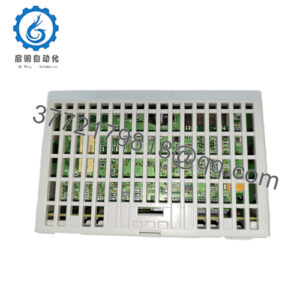
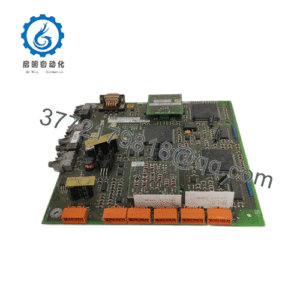
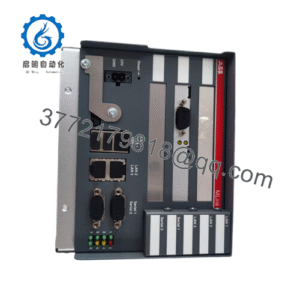
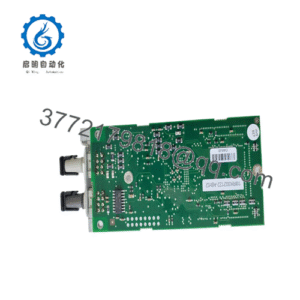
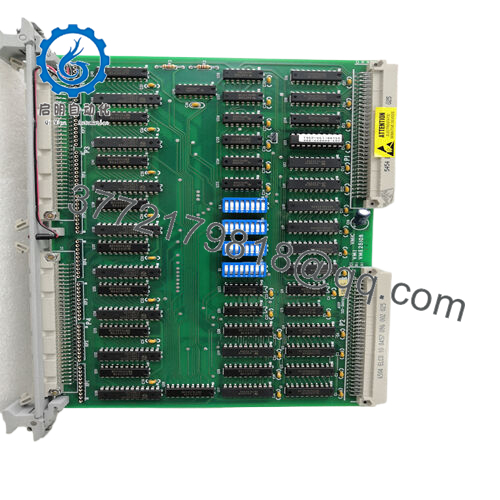
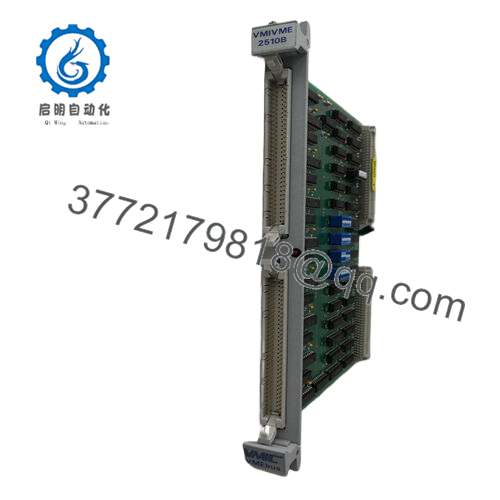
The GE VMIVME-2510B anchors the digital I/O layer in VME hierarchies, a double-height megamodule that aggregates 64 TTL lines (32 bidirectional inputs/outputs) through I/O registers and transceivers, interfacing via the VME P1/P2 backplane for A24/D16 transfers from host SBCs or CPUs at up to 1 MB/s bursts. It populates in slots 1-21 of standard crates, drawing +5 V system power to drive logic, where dual DIP switches configure CSR and I/O addresses for contiguous mapping across boards, preventing overlaps in multi-module systems. In operation, it accepts write strobes to load status registers or port selects, applies positive-true logic for TTL levels (0-5 V), then routes signals to P2 connectors, with built-in test modes (via two bits) enabling pattern generation for self-diagnostics that extinguish the front-panel Fail LED post-power-up if faults clear. Specific hardware supports BITE functions, like looping outputs to inputs for continuity checks, without host intervention.

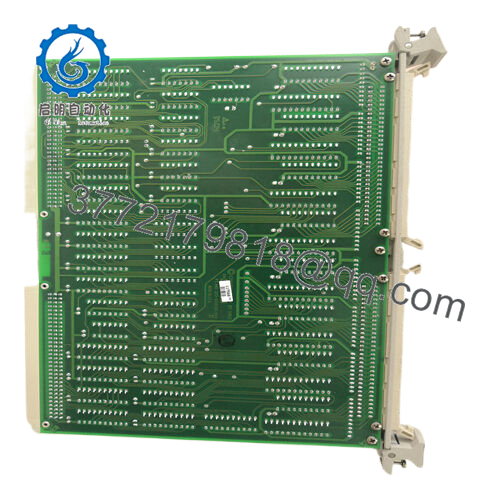
- VMIVME-2510B
- VMIVME-2510B
| Specification | Details |
|---|---|
| Model Number | VMIVME-2510B |
| Brand | GE Fanuc Intelligent Platforms |
| Type | 64-Bit TTL Digital I/O Megamodule |
| Input Voltage | +5 V DC (TTL logic levels) |
| Operating Temp Range | 0°C to +70°C |
| Mounting Style | VME double-height Eurocard |
| Dimensions | 160 x 233.35 mm |
| Weight | 0.35 kg |
| Interface/Bus | VME P1/P2 (A24/D16); TTL I/O ports |
| Compliance | IEEE 1101, CE, UL |
| Supported Protocols | VMEbus |
| Typical Power Draw | 2 A at +5 V (max) |
This board aligns with VME’s expandable architecture, pairing with analog siblings like the VMIVME-4116 for hybrid control or PMC adapters for FPGA extensions, supporting self-tests that flag transceiver failures or address glitches via the Fail LED, queryable through CSR reads in tools like VxWorks debuggers. The GE VMIVME-2510B thrives in forced-air-cooled enclosures, with jumper options for output resistor addition if needed, and its low crosstalk (< -60 dB) suits multi-bit encoding in sync schemes. Rated for mechanical endurance in 2g vibes, it implicitly aids protocols like VME interrupt handlers for edge-triggered events, fitting hybrid VME/Ethernet setups via host bridges. By centralizing density yet buffered with testability, it fluidizes the I/O continuum—from discrete polling to parallel handshakes—empowering engineers to sculpt responses with surgical grace rather than wrestle with wiring quirks.