 WhatsApp: +86 16626708626
 Email:
  Phone: +86 16626708626
Description
- Real-World Use & Application Scenarios
In modern PACSystems RX7i deployments, the IC698CPE020-KA often serves as a high-performance central processing unit for mid-to-large automatic control applications. It’s well-suited for machine centers, packaging lines, and process skids where complex logic, real-time control, and networked I/O require a robust compute backbone. Engineers rely on such CPUs to manage deterministic scheduling, execute ladder logic or structured text programs, and coordinate communications with a wide range of field devices through RX7i-compatible backplanes and I/O modules. This CPU typically integrates with VME or backplane-based ecosystems, supporting scalable memory and fast processing to handle sophisticated control schemes, safety logic, and data logging. In procurement and commissioning documents, the model name IC698CPE020-KA is cited to ensure precise platform alignment across RX7i networks, enabling smoother upgrades and future expansions. The device is recognized for its reliability, rigorous engineering, and compatibility with the broader GE Fanuc RX7i ecosystem, which reduces integration risk in multi-vendor environments while delivering consistent performance across industrial environments. - Product Introduction & Positioning
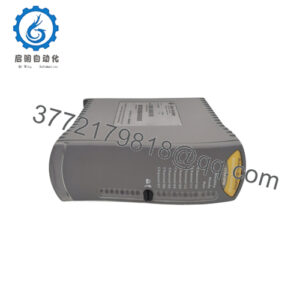
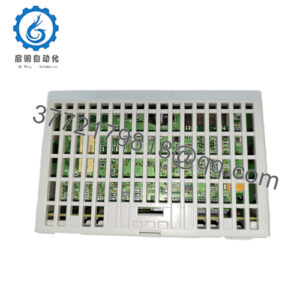
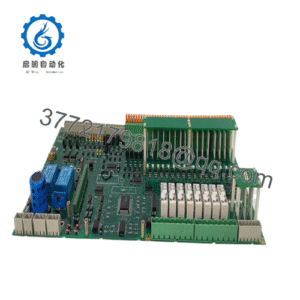
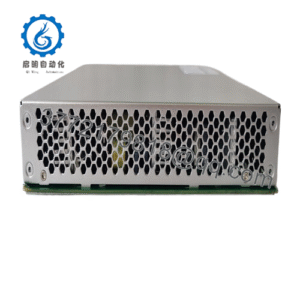
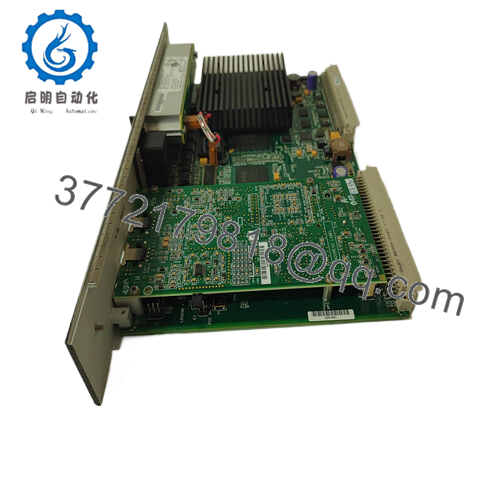
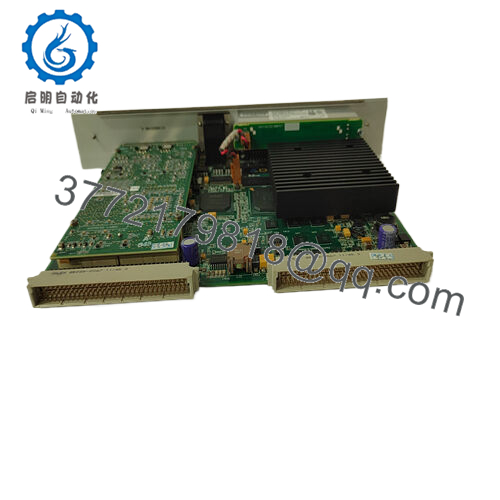
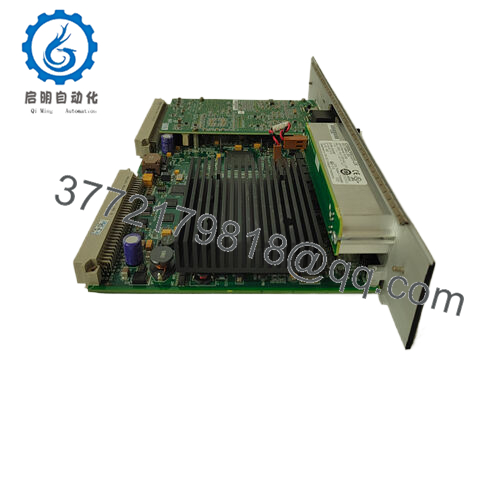
The IC698CPE020-KA is a central processing unit module for GE Fanuc RX7i systems. Its core function is to execute control programs, manage communications with I/O modules, and coordinate real-time tasks within a VME/Rack-based RX7i chassis. This CPU is designed to deliver reliable processing power for varying workloads, while maintaining compatibility with RX7i backplanes, memory maps, and diagnostic procedures. The “KA” designation typically reflects a specific regional or revision variant, but the essential role remains that of a capable processing node within the RX7i family. For engineers and integrators, the module provides the necessary horsepower to run complex control logic, support multiple communication interfaces, and integrate with enterprise-level monitoring and data collection workflows. The IC698CPE020-KA is commonly referenced in configuration guides and service manuals as a standard CPU option for scalable RX7i installations, ensuring compatibility with existing GE automation investments and a clear upgrade path for expanding system capabilities.
- IC698CPE020-KA
- IC698CPE020-KA
- Key Technical Features & Functional Benefits
The IC698CPE020-KA emphasizes high processing throughput, deterministic real-time execution, and robust system stability. It typically supports extensive memory, fast bus access, and efficient management of I/O and network communications. The CPU’s architecture enables advanced control strategies, safety logic, and data logging while maintaining predictable latency across large I/O trees. Its rugged hardware design is suited for industrial environments, with EMI tolerance and thermal resilience that support steady operation in cabinets subject to vibration and varying temperatures. Compatibility with the RX7i backplane and GE’s software toolchain provides a coherent development and maintenance workflow, including diagnostics, remote monitoring, and software updates. The IC698CPE020-KA is positioned as a reliable workhorse for engineers who require substantial processing headroom, smooth integration with RX7i peripherals, and scalable performance across evolving automation projects. - Detailed Technical Specifications
| Parameter | Value |
|—|—|
| Model | IC698CPE020-KA |
| Brand | GE Fanuc RX7i PacSystem |
| Type | CPU module for RX7i (VME-based or backplane variant) |
| Backplane Compatibility | RX7i backplane or compatible VME-like interface (variant-dependent) |
| Processing Power | High-performance CPU for real-time control (exact MHz/cores per revision) |
| Memory | RAM/ROM configuration per OEM spec (confirm exact capacity) |
| I/O Interface | Interfaces with RX7i I/O modules via backplane or PCI-like bus |
| Operating Temperature | -40°C to 85°C (industrial range) |
| Mounting | Rack/VME-style mounting in RX7i chassis |
| Dimensions | Standard RX7i CPU footprint |
| Weight | Moderate |
| Interfaces | Backplane signaling; external communications per revision |
| Certifications | OEM safety and EMC standards |
| Cooling | Passive/active cooling depending on chassis configuration |
| Environmental Rating | Enclosure-dependent; verify OEM data | - Related Modules or Compatible Units
- IC698CPE010 – Earlier RX7i CPU variant with different performance tier
- IC698CPE020-HA – Alternate CPU option for RX7i with revised features
- IC698CMM123 – RX7i communications module for network integration
- IC695PBM300-BC – PROFIBUS Master in RX3i ecosystem (for networking compatibility)
- IC698ALG708 – Analog I/O module used with RX7i CPUs
- IC694ACC300A – Input simulator module for RX3i/90-70 style backplanes
- IC698CMM002 – Additional network interface for RX7i options
- IC697CMM711Q – GE’s older communications coprocessor in related architectures
- Installation Notes & Maintenance Best Practices
During installation, ensure the RX7i chassis is properly ventilated and that the CPU module is firmly seated with clean backplane contacts. Document the exact slot and peripheral topology to support future maintenance and upgrades. Maintain neat cabling and proper shielding for any external communications interfaces to minimize EMI. Schedule regular firmware and diagnostic checks using vendor tools to verify memory integrity, bus arbitration, and device health. When performing updates, test changes in a controlled environment before applying to production to avoid performance or stability issues. Keep spare CPU modules on hand to minimize downtime, and maintain an up-to-date hardware and software map for troubleshooting and future expansions.