 WhatsApp: +86 16626708626
 Email:
  Phone: +86 16626708626
Description
Real-World Use & Application Scenarios
In factories with legacy automation infrastructure, the GE IC697MEM731F memory module is used to extend capacity for complex control programs, large data tables, and logging history in process lines, packaging lines, and discrete manufacturing cells. It’s particularly valuable in systems where the CPU’s native memory limits constrain firmware features, recipe storage, or long-term trend recording. In control rooms and remote panels, the module supports robust plant-wide projects that require more memory without a redesign of the entire PLC backbone. This memory expansion is often prioritized in applications like batch processing, material handling, and machine-to-machine coordination where fast access to larger data sets improves cycle times and reliability. The module is designed to be compatible with Series 90-70 CPUs and is installed to complement the CPU’s memory footprint, enabling larger user programs and extended data retention. It is widely referenced in discussions of “used in industrial automation,” “applicable in control systems,” and similar search terms as a practical upgrade path for aging GE automation lines. In many implementations, keeping a single, coherent memory expansion strategy reduces maintenance overhead and ensures consistent memory behavior across multiple controllers in a plant. The full model name GE IC697MEM731F appears in maintenance logs and hardware inventories as the standard memory expansion option for compatible CPUs, reinforcing its role in scalable automation architectures.
Product Introduction & Positioning
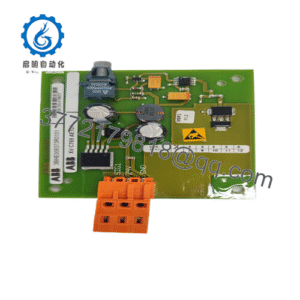
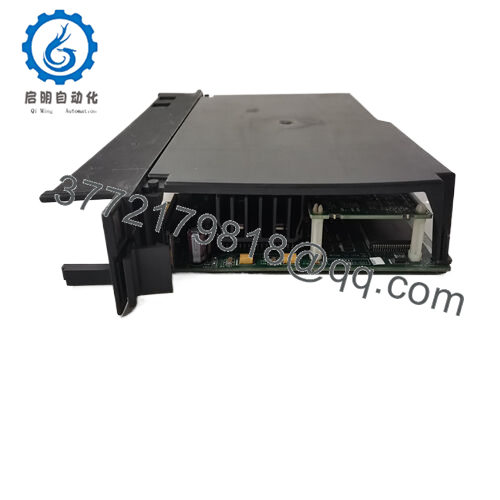
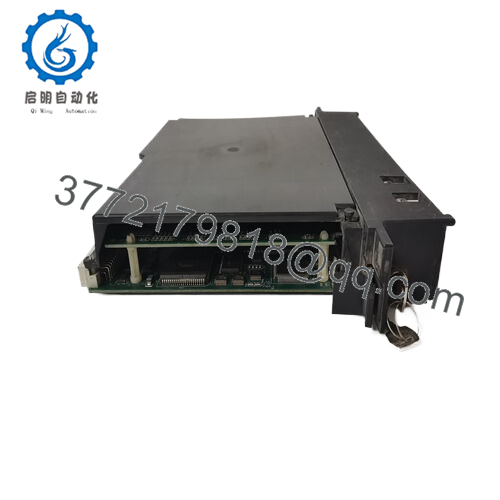
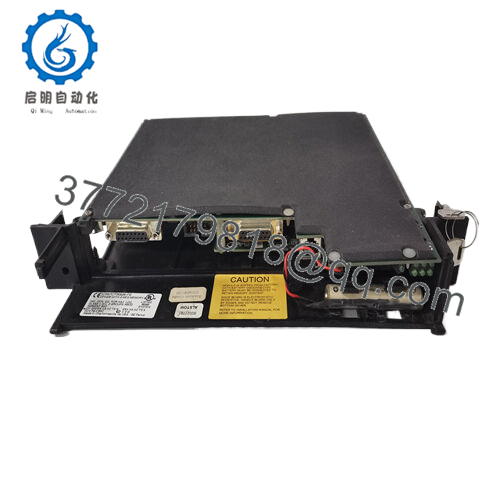
The GE IC697MEM731F is a CMOS expansion memory module designed to extend the memory available to GE Fanuc Series 90-70 CPUs. It functions as a daughter-board-style memory upgrade that resides in the same hardware family, enabling larger user memory for programs and data without needing a new CPU. As part of the Series 90-70 ecosystem, it is intended to slot into compatible controllers and work alongside existing I/O, communication, and processor modules, effectively enlarging the control system’s capacity. This module is valuable for engineers and integrators who are maintaining or upgrading legacy GE automation installations, offering a non-disruptive way to scale memory within established architectures. The model name GE IC697MEM731F is central to procurement, configuration, and spare-part planning, ensuring that the memory expansion aligns with the corresponding CPU families and firmware expectations.

- IC697MEM731F
- IC697MEM731F
Key Technical Features & Functional Benefits
The GE IC697MEM731F delivers reliable, compact memory expansion for Series 90-70 PLCs. Its 32-bit CMOS memory architecture provides stable performance and low power consumption, supporting extended program storage and data tables without overtaxing the CPU’s native RAM. The hardware design emphasizes compatibility with the existing GE Fanuc ecosystem, allowing straightforward integration with other modules in the same rack or cabinet. Its rugged industrial packaging is optimized for factory environments, with considerations for thermal management and shock resistance typical of industrial control cabinets. In terms of long-term reliability, the module benefits from CMOS memory characteristics that favor predictable access times and lower standby power, contributing to a stable control loop and consistent data retention when used in conjunction with battery-backed configurations. Compatibility with Series 90-70 CPUs ensures seamless protocol and address space alignment, enabling straightforward firmware updates and coherent memory maps across the plant’s controller population. The GE IC697MEM731F is often selected for projects requiring memory expansion without changing the control philosophy or wiring topology.
Detailed Technical Specifications
Parameter Value
Model IC697MEM731F
Brand GE Fanuc
Type CMOS Expansion Memory
Power Supply Battery-backed or host CPU power, as designed by the CPU
Operating Temperature Standard industrial range
Mounting Inline with Series 90-70 modules
Dimensions Compact daughter-board form factor
Weight Lightweight, plug-in module
Interfaces Proprietary backplane connection, compatible with 90-70 CPU slots
Certifications Industry-standard safety and EMC conformance
Cooling Passive heat dissipation
Environmental Rating Industrial-grade enclosure suitability
Related Modules or Compatible Units
IC697MEM731F – Primary memory expansion for Series 90-70 CPUs; fits the same family and is directly compatible.
IC697MEM731 – Earlier CMOS expansion memory variant with similar function for Series 90-70.
IC697CPU682 – Example CPU in the same production line family with equivalent backplane compatibility.
IC697PCM716 – Additional memory/processing accessory in the 90-70 ecosystem.
IC697ALG005 – Ancillary module often used alongside memory expansions for extended functionality.
IC697ACC701 – Battery/retention-related accessory commonly paired with memory modules.
IC697PWR711J – Power module frequently used in same cabinets to support memory and CPU stability.
IC694CPU373 – A nearby CPU option in the broader GE Fanuc lineup, useful for cross-referencing compatible systems.
Installation Notes & Maintenance Best Practices
Before installation, verify cabinet clearance and ensure the backplane is powered down to prevent ESD damage. Confirm the host CPU model and firmware revision are compatible with the IC697MEM731F, and perform a pre-installation inventory check to align memory map expectations with the running program. Grounding and proper cable routing reduce interference, while ensuring adequate ventilation around the rack to avoid overheating. After installation, perform a POST memory check and verify that the CPU recognizes the new memory module in its slot. For maintenance, schedule visual inspections every 6–12 months to check for signs of corrosion or dust buildup, and monitor signal integrity through built-in diagnostics or CPU checksums to detect memory parity issues early. Firmware and driver routines should be reviewed during planned maintenance windows, and any software tools used for memory mapping should be documented for future upgrades. Regular calibration of the system’s timing and memory references helps maintain predictable control behavior, especially in high-cycle environments.