 WhatsApp: +86 16626708626
 Email:
  Phone: +86 16626708626
Description
In today’s industrial automation environments, one of the most persistent headaches is keeping legacy Series 90-30 PLC systems alive and connected to modern networks without a full rip-and-replace. Many plants still rely on the rock-solid GE Fanuc Series 90-30 platform, but as Ethernet and FIP-based field devices become the norm, engineers face unreliable serial-to-fieldbus gateways, slow data bottlenecks, and the constant threat of obsolescence. The GE IC693BEM340 directly solves this by delivering a clean, high-reliability FIP bus controller that lets the 90-30 stay in the control loop while talking native FIP to drives, remote I/O stations, and third-party devices.
This module becomes essential whenever you’re extending the life of an existing 90-30 rack in process-heavy industries—water/wastewater, metals processing, or discrete manufacturing lines—where ripping out proven logic just to gain fieldbus connectivity isn’t economically viable. It eliminates the signal reliability problems that come from stacking multiple protocol converters, reduces single points of failure, and gives you deterministic communication that serial simply can’t match. Instead of fighting with third-party converters that drift out of support, the GE IC693BEM340 provides a factory-supported, drop-in solution that maintains system stability and keeps critical I/O signal integrity intact for years to come.
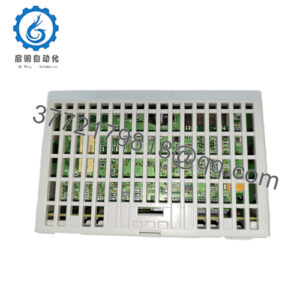
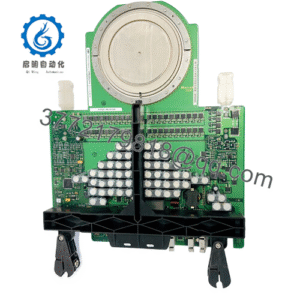
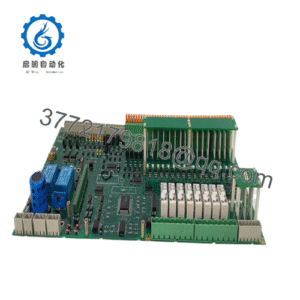
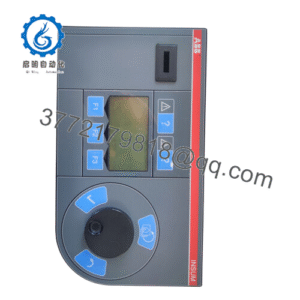
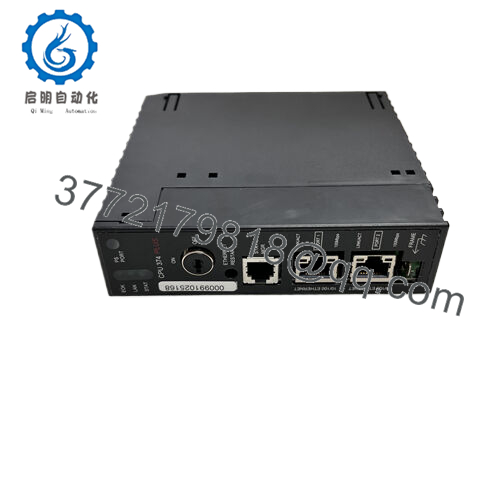
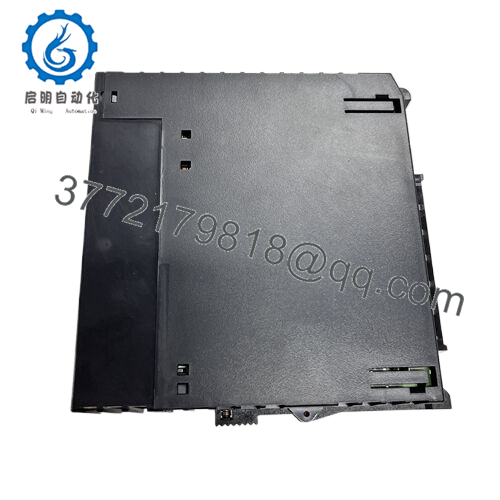
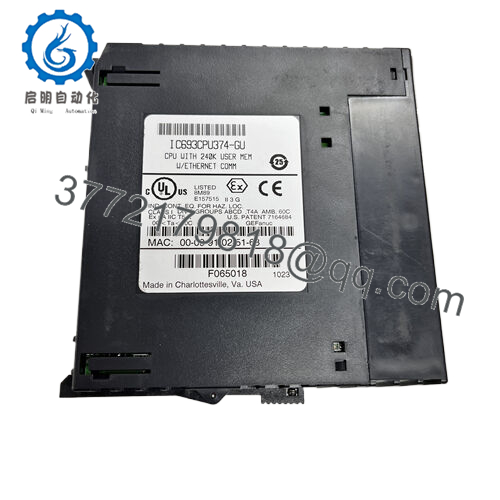
The GE IC693BEM340 is a FIP I/O master module that mounts directly into any Series 90-30 baseplate (CPU, power supply, or I/O rack). Once inserted, it takes ownership of the FIP network and appears to the 90-30 CPU as native I/O—just like a standard Genius or discrete rack. The backplane connection handles all housekeeping, so the CPU sees FIP devices as simple %I and %Q references in the ladder logic. No special function blocks or complex EGD tables are required.
It supports up to 31 FIP slave devices per segment at 1 Mbps, with full repeater capability if you need to extend beyond that. Built-in diagnostics continuously monitor bus health, short circuits, and slave presence, reporting status bits and fault tables directly into the PLC fault table for immediate visibility in your HMI or SCADA system. The module works alongside Ethernet (IC693CMM321, GeniusIC693BEM331, and standard I/O in the same rack, making it easy to phase in modern field devices while keeping existing wiring. Configuration is done through Proficy Machine Edition (or VersaPro) with a straightforward wizard—no deep FIP expertise needed. In short, the GE IC693BEM340 sits right in the middle of the classic 90-30 I/O architecture and brings deterministic fieldbus performance without forcing you to migrate the controller.
| Specification | Details |
|---|---|
| Model Number | IC693BEM340 |
| Brand | GE Fanuc (now Emerson) |
| Type | FIP Bus Controller Module |
| Input Voltage | 5 V DC (from 90-30 backplane) |
| Operating Temp Range | 0°C to 60°C |
| Mounting Style | Series 90-30 rack (any slot except leftmost) |
| Dimensions | 145 mm × 135 mm × 40 mm (standard 90-30 size) |
| Weight | 0.35 kg |
| Interface/Bus | FIP (WorldFIP) 1 Mbps, 2.5, or 5 Mbit/s selectable |
| Compliance | CE, UL, cUL, RoHS |
| Supported Protocols | WorldFIP (EN 50170) |
| Typical Power Draw | 600 mA @ 5 V |
When you choose the GE IC693BEM340, you’re buying years of continued operation for a proven control platform without the risk of unsupported converters. Its deterministic FIP performance ensures consistent scan times even when you’re driving dozens of remote drops, which directly translates to smoother process control and fewer alarms triggered by communication timeouts. Maintenance teams love it because diagnostics are visible in the same PLC fault table they already monitor—no extra software or proprietary tools required.
The module is engineered for long-term performance in real plant environments: it handles the typical electrical noise, temperature swings, and vibration found in motor control centers and remote substations. By staying within the native 90-30 ecosystem, you drastically reduce engineering overhead during upgrades—simply map the new FIP I/O points and go. Plants regularly report that adding the GE IC693BEM340 extends the viable life of their 90-30 systems by another 5–10 years while opening the door to modern actuators and distributed I/O hardware.
You’ll find the GE IC693BEM340 in water treatment plants controlling dozens of valve positioners and level transmitters across large sites via FIP remote drops, where cable savings and deterministic response outweigh Ethernet’s flexibility. In steel and aluminum rolling mills, it’s commonly used to connect variable-frequency drives and position encoders that still speak WorldFIP, preserving millisecond-level coordination without rewriting decades-old logic. Automotive transfer lines and material-handling systems also rely on it when expanding conveyor zones—its ability to handle harsh conditions and maintain critical system uptime makes it ideal for 24/7 discrete automation where even a few seconds of communication loss can scrap an entire shift’s production.

- IC693BEM340
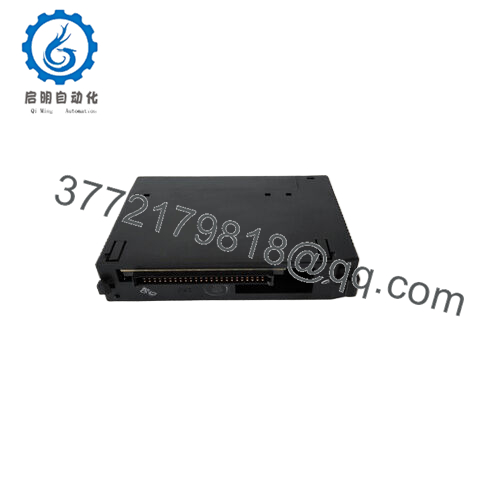
- IC693BEM340
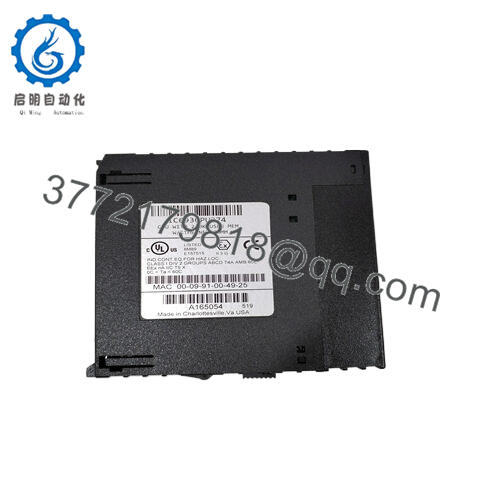
IC693BEM331 – Genius Bus Controller for legacy GE I/O blocks
IC693CMM321 – Ethernet TCP/IP interface for plant-wide connectivity
IC693NIU004 – Ethernet remote drop to replace FIP in new expansions
IC693BEM341 – Higher-density FIP controller (63 nodes) for very large networks
IC693PBM200 – Profibus DP master as an alternative fieldbus option
IC693DSM314 – Motion controller that often shares the same rack
IC693ACC302 – Extended battery pack for racks with multiple comm modules
HE693RTD600 – RTD input module frequently paired on FIP networks
Before sliding the GE IC693BEM340 into the rack, confirm that the baseplate has at least 600 mA of spare 5 V capacity and that slot placement follows the usual 90-30 rules (any slot except the far-left CPU slot). Verify your PME software is version 7.0 or later for full FIP configuration support, and download the latest module firmware from Emerson’s support site—older revisions had occasional watchdog quirks under heavy bus loading. Make sure the FIP cable uses proper shielded twisted pair and that terminators are installed at both physical ends of the segment.
For ongoing maintenance, check the three front-panel LEDs daily during rounds: OK green means happy, BUS flashing amber usually means a missing slave, and FAULT solid red demands immediate attention. Every 12–18 months, cycle power to the rack and watch the diagnostic table clear—persistent faults after a reboot often point to a failing slave device rather than the IC693BEM340 itself. Keep one configured spare module in stores; hot-swap is supported, and swap time is under two minutes.